About Ickornshaw
Learn more about our charming village
About Ickornshaw
The Cowling Valley, where Ickornshaw is located, has a rich history of human settlement and industrial activity dating back to the Neolithic period. The area was home to a number of small farming communities, who were likely engaged in the cultivation of crops and the raising of livestock.
The first recorded mention of the area is in the Doomsday book, where Cowling valley is referred to as Collinghe and was under the Lordship of Arnketil, a Nordic Lord. Ickornshaw was likely named prior to this, given it has a Nordic name meaning - Squirrel copse. The first written records including Ickornshaw were from around 1279.
The valley was a farming valley, with what was believed to be a mixture of arable crop and livestock farming. A road from Keighley to Skipton went through the village, along with a road from Colne.
In the 19th century, the Cowling Valley saw a boom in industrial activity, with the development of mills and factories for the production of textiles, paper, and other goods. The hamlet of Ickornshaw would have likely been affected by these changes, as the population grew and new jobs were created in the area. It was around this time it is believed the area turned from mixed farming towards just livestock.
A good summary of the wider area in the later 19th century appears in John Marius Wilson's 'Imperial Gazetteer of England and Wales'. The entry for Cowling is as follows:
COWLING, a township and a chapelry in Kildwick parish, W. R. Yorkshire. The township lies adjacent to the boundary with Lancashire, 3 miles W by S of Kildwick r. station, and 5¼ SSW of Skipton; includes the hamlets of Cowling-Hill and Ickornshaw; and has a post office under Leeds. Acres, 4, 512.
Real property, £4, 498. Pop. 1,815. Houses, 376. The property is much subdivided. Most of the inhabitants are employed in the cotton manufacture. The chapelry was constituted in 1844; and is less extensive than the township. Pop., 1, 729. Houses, 353. The living is a vicarage in the diocese of Ripon. Value, £150. Patron, alternately the Crown and the Bishop. The church is modern; and a school has £17 from endowment.
Today, Ickornshaw remains a small hamlet, with a population of around 100 people. The area is primarily rural, with a mix of farmland and small wooded areas. It is a popular destination for walkers and hikers, as the surrounding hills and valleys offer beautiful views and a wide range of outdoor activities.
Ickornshaw in the 1900's

The Cowling Valley in North Yorkshire, England, like many areas in the country, underwent significant changes in the 1900s.
In the early 1900s, the Cowling Valley was primarily an agricultural area, with small farming communities engaged in the cultivation of crops and the raising of livestock. However, as the 20th century progressed, the area saw a decline in the agricultural industry, as many farms were consolidated and mechanized. This led to a decrease in the number of small farmers and an increase in the number of larger farms.
In the mid-1900s, the valley also saw an increase in tourism, with the development of new roads and improved transportation, making the area more accessible to visitors. The valley's natural beauty, including its hills, dales, and rivers, made it a popular destination for walkers, hikers, and nature enthusiasts.
By the end of the 20th century, the valley had undergone significant changes, with a decrease in agricultural and industrial activity, and an increase in tourism and leisure. Today, the valley remains a popular destination for outdoor activities, but it's also known for its picturesque villages, historic buildings, and its natural beauty.
Cowling School
Cowling Primary School - 'A place where every child has to shine'
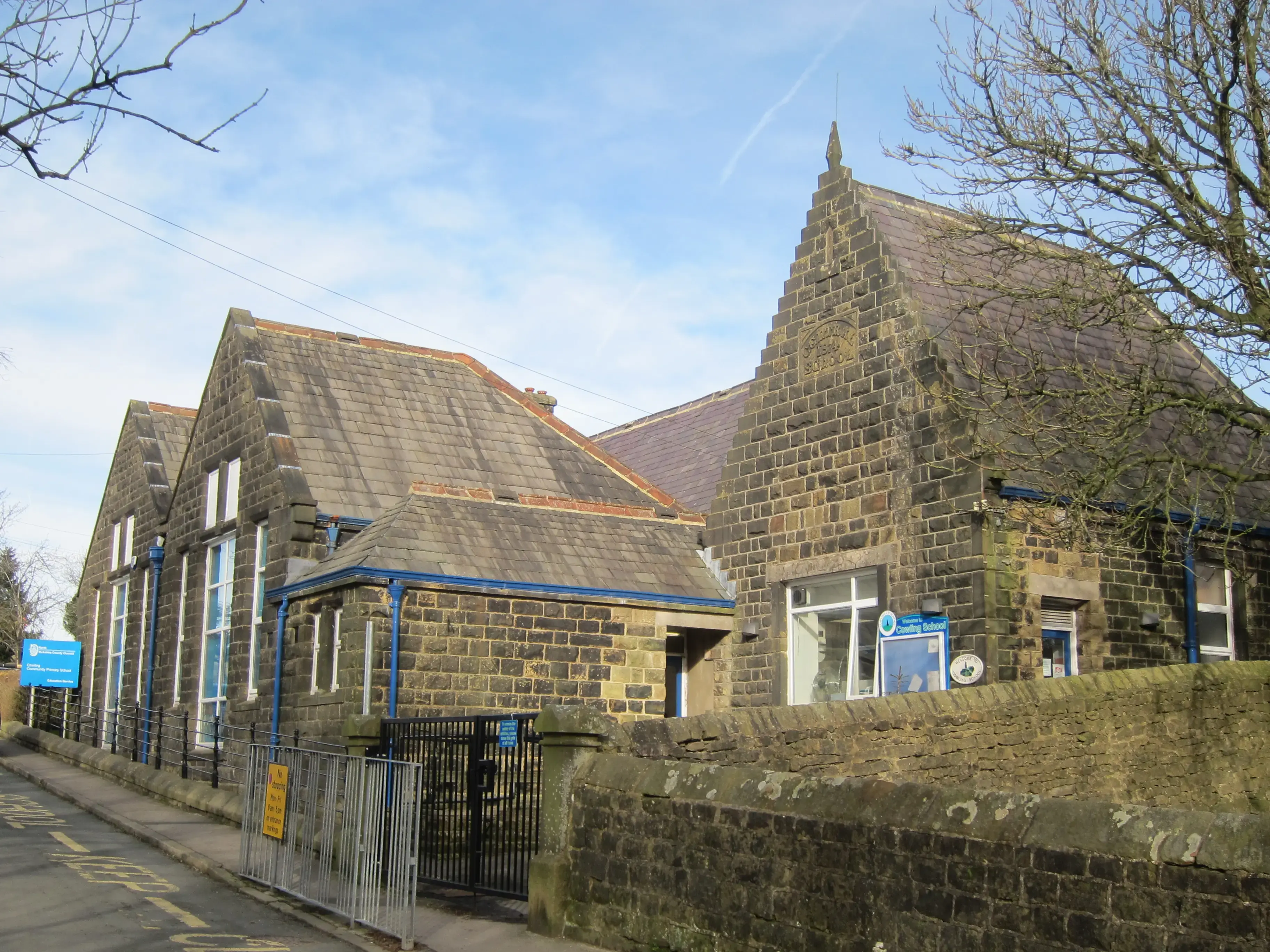
Cowling Primary School is a primary school located on the edge of Ickornshaw. The school is a public institution that provides education for children aged 4 to 11 years old.
The history of Cowling Primary School dates back to the 19th century, with the school being built on its present site in 1875. Over the years, the school has undergone a number of renovations and expansions to accommodate the growing number of students.
In the early days, the school offered a basic education, focusing on reading, writing, and arithmetic. However, as education evolved, the school started to offer a more comprehensive curriculum, including subjects such as science, history, and physical education.
Today, Cowling Primary School is a modern and well-equipped institution that provides a high-quality education for its students. The school follows the National Curriculum and it offers a wide range of extracurricular activities, including sports, music, and drama. The school also provides a range of support services, including special education and pastoral care, to ensure that all students have the opportunity to succeed.
It has consistently scored 'Good' results at Ofsted.
As the school is situated on a small road and doesn't have its own car park, car parking is an issue. Many parents park on Main Street and walk to the school.
Relevant links:
Cowling Church
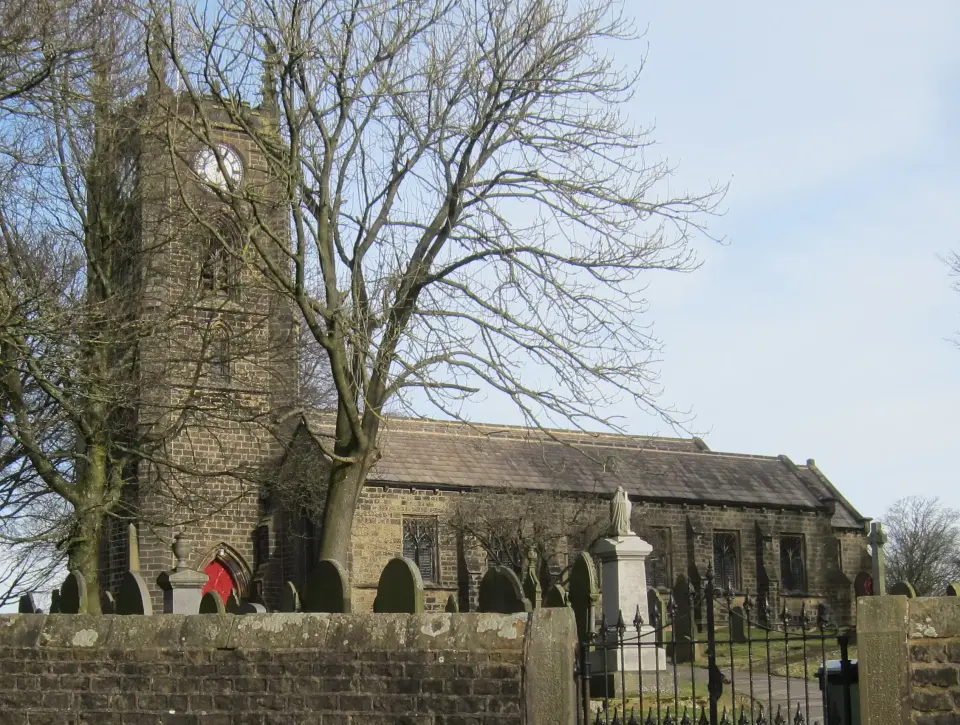
Cowling Holy Trinity Church is a Church of England church located in the village of Cowling, North Yorkshire, England. The church is the parish church of Cowling and is the largest place of worship in Cowling. Historically it was 1 of 6 churches in Cowling, but now there are only 3 still active, Holy Trinity, Cowling Hill Baptist Church and St Andrews Methodist Church, the latter is located in the center of Cowling.
Cowling Holy Trinity was built in 1845 by R D Chantrell. The Church is a Grade 2 Listed Building.
The church is still active today and holds regular services every third Sunday or on religious occasions. It also hosts weddings, funerals which often require the road in front of the church to be cordoned off due to lack of parking normally due to the adjacent school. The church is also open to visitors during certain hours and it is a popular destination for tourists and history enthusiasts.
Relevant Links:
Ickornshaw Moor

Ickornshaw Moor is a moorland area located south of Ickornshaw. It is an upland area characterized by rolling hills, heather-covered moors, and rocky outcroppings.
The moor is an important habitat for a wide variety of wildlife, including grouse, curlew, and golden plover. It is also home to a number of rare and protected species, such as the black grouse and the hen harrier.
The moor is also an important site for archaeology, with evidence of human habitation dating back to the Neolithic period. There are a number of standing stones and burial cairns on the moor, as well as the remains of ancient settlements.
Ickornshaw Moor is a popular destination for walkers, hikers, and nature enthusiasts, as it offers a wide range of outdoor activities and opportunities to explore the unique landscape and wildlife of the area. However, it's worth noting that the moor can be challenging to navigate, particularly in poor weather, and it's important to be properly equipped and prepared for your visit.
Relevant Links:
Wesleyan Chapel
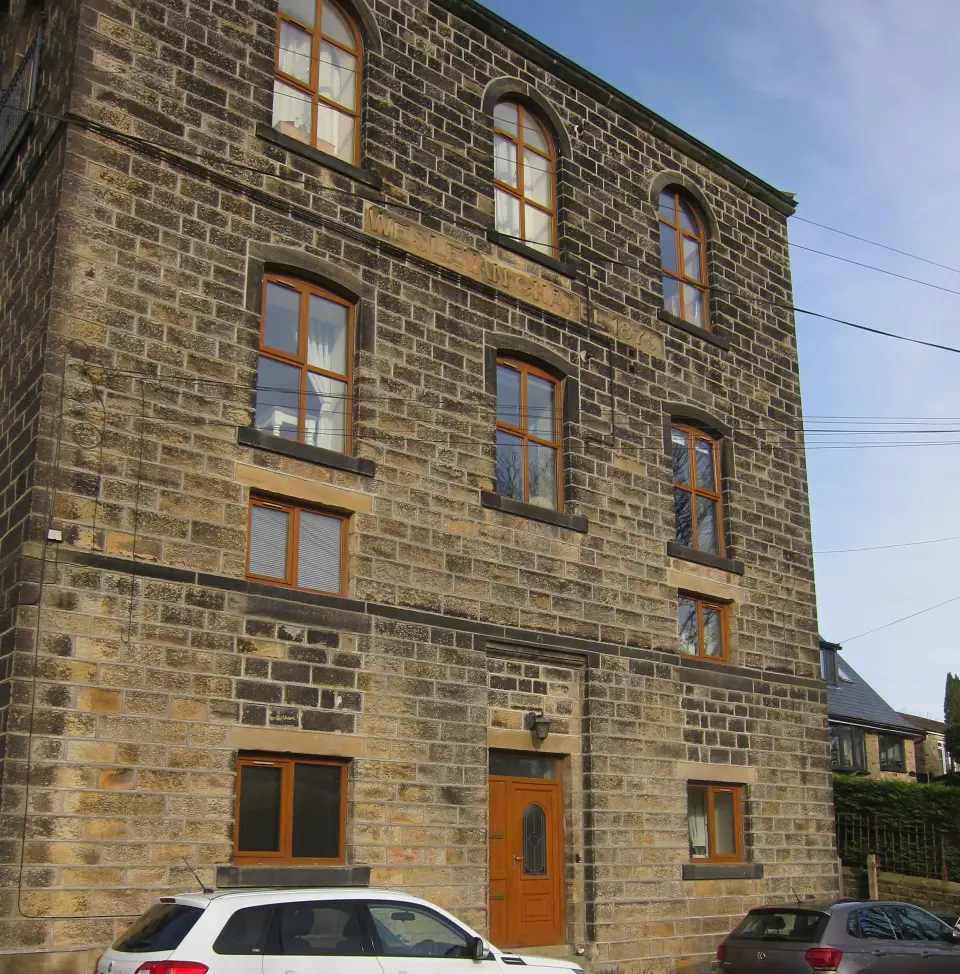
The Wesleyan Chapel in Ickornshaw is a former place of worship for the Wesleyan Methodists, a Christian denomination that emerged from the 18th-century revival movement led by John Wesley. The Wesleyan Methodists were known for their emphasis on personal faith and spiritual experience, as well as their commitment to social and political reform.
The Wesleyan Chapel was built between 1876 and 1882, with the official opening Ceremony on the 14th of October, 1882. The chapel was built with expansion in mind, as it was believed that Cowling would grow into being a large Mill Town like most other around it had.
It was its sheer size that is the main factor for its closure, as it had a history of requiring expensive maintenance and as attendance dropped after the wars, it became increasingly expensive for the small congregation. In 1985 the Chapel saw its last service.
Today the chapel has been converted into flats, providing a continued use of a historic building.